My Brother's Keeper Alliance

Data in Policing: Collection, Transparency, and Civil Liberties

Reimagining Policing: Data in Policing: Collection, Transparency, and Civil Liberties
As the fifth of an ongoing workshop series to engage community leaders to address police violence, Center for Policing Equity Co-founder and Senior Vice President for Justice Initiatives Dr. Tracie Keesee joined University of Chicago Crime Lab Founding Ex
Reimagining Policing Workshop Series
In this conversation, local and national practitioners in the fields of data science and public safety provided mayors and community leaders with insight into how robust data collection and transparency can lead to safer communities.
Attendees walked away with perspective on best practices, tools, and opportunities for communities, police departments, and elected officials to work together to leverage data, while ensuring the civil liberties of historically marginalized groups. This virtual workshop is a continuation of our ongoing series hosted in partnership with Cities United and the Leadership Conference on Civil and Human Rights to provide educational tools and analysis on the spectrum of policing and public safety options, alternative public safety models, and community-centered review processes.
Panelists
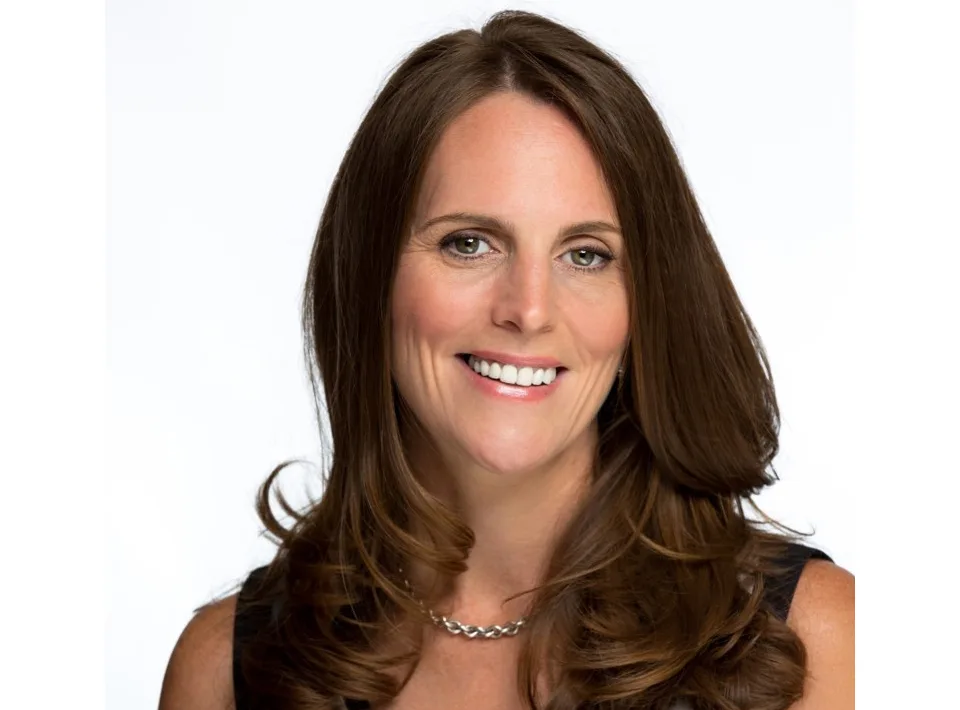
Roseanna Ander
Founding Executive Director, University of Chicago Crime Lab
Dr. Sharad Goel
Assistant Professor of Management Science and Engineering, Stanford University—The Stanford Open Policing Project
Merisa Heu-Weller
Senior Director, Justice Reform Initiative, Microsoft
Dr. Tracie Keesee
Co-founder and Senior Vice President of Justice Initiatives, Center for Policing Equity
Lynn Overmann
Senior Data Strategist, Opportunity Insights
“Data are people—their lives, their experiences. And I think one of the real things that has been brought into sharpest relief with recent events is the fact that the people who need to hold their government accountable have the hardest time getting access to that data. I think it is fundamentally important that we democratize data, that we find ways to push out the data and the information into the hands of people who are being most adversely affected by both the failures of government, whether it's through experiencing the mass incarceration challenge or challenges like gun violence.”
—Roseanna Ander, founding executive director at the University of Chicago Crime Lab
“Data are a means to an end, not an end in and of themselves. I don't want the take-home to be ‘Our next step is to get our data infrastructure in place and release more data.’ Our goal is reform. I would hope that everybody recognizes the places where we need data and the places where we really can just, tomorrow, go out and start changing things and not worry about collecting more data before making those changes.”
—Dr. Sharad Goel, assistant professor of management science and engineering at Stanford University and the Stanford Open Policing Project
“Data feels really opaque to pretty much everybody, even those who hold the data themselves. So there's the collection piece, there's a transparency piece. And what I like to focus on and what we do in our work is kind of, ‘Well, what are the meaningful insights you actually derive from the data?’ It's not enough to just have it and then release it to the public or to whomever, but what are you actually learning from it?”
—Merisa Heu-Weller, senior director of the Justice Reform Initiative at Microsoft
“At CPE, we do the analysis and we present data-driven interventions back, but what we can also find is that we have to make sure we're all defining it the same way—because what we find is with our folks in law enforcement that there's so much put upon them is that they don't really accept what they're seeing… When you don't even know how to look at your own data, it's very difficult for you to try to come up with something that's different than what you already are doing.”
—Dr. Tracie Keesee, co-founder and senior vice president of justice initiatives at the Center for Policing Equity
“The community's really our expert in coming up with solutions that are probably going to be more effective than what we're currently doing. In addition to the quantitative data that we've been talking about a lot, there's huge value in qualitative data that I think is underemphasized. So, [asking] how do we get much better about meaningful engagement with communities about how they can be better served—meaningful engagements about resources that they may need, and what that can look like, and how those may be effective?”
—Lynn Overmann, senior data strategist at Opportunity Insights
Related Resources
The resources below were recommended by our speakers and are being provided as a convenience and for educational and informational purposes only; they do not constitute an endorsement or an approval by the Obama Foundation, and the Obama Foundation bears no responsibility for the accuracy or legality of the content of the external site or subsequent links from an external site.

Mayors: Commit to taking action to address police use of force policies in your city.
Mayors and other City Council officials are uniquely positioned to introduce common-sense limits on police use of force.
Take the Pledge