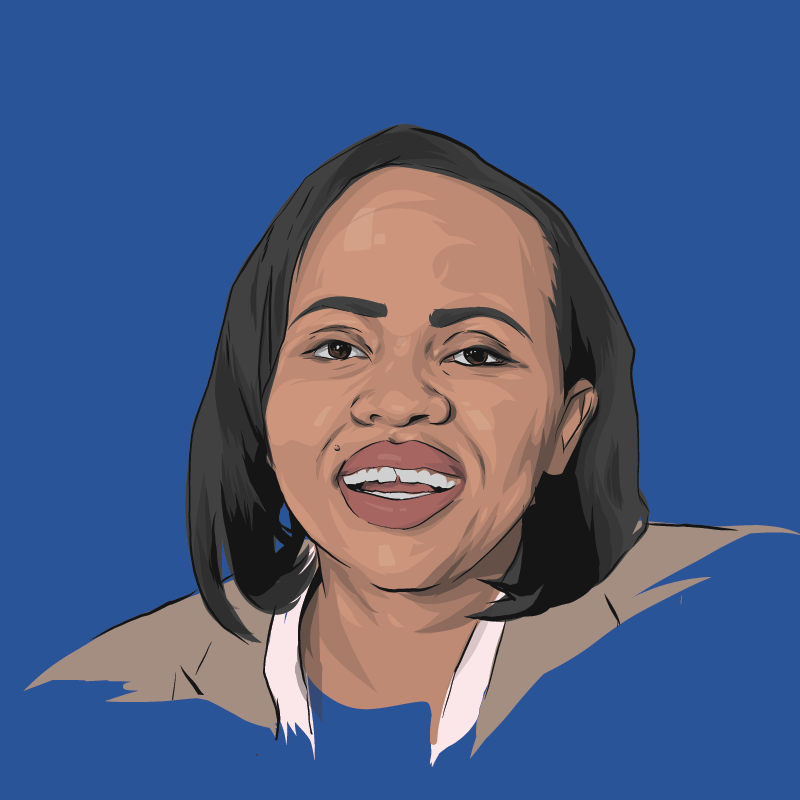
Seema Gajwani

Washington, DC
Empathy
One Hundred Years of Solitude by Gabriel García Márquez
The United States criminal justice system is weighed down by mass incarceration, racial disparities, and trauma. Victims of crimes are often disempowered or absent from the justice process. The existing incentives, feedback systems, and culture that prosecutors work in prevent many models of restorative justice programs from taking hold. When cases do happen to be referred to restorative justice processes run by nonprofits, prosecutors miss the opportunity to see, first-hand, this powerful alternative to trying cases.
In Washington DC, Seema launched the first restorative justice program housed within a prosecutor’s office, in which restorative justice facilitators bring together young people charged with serious crime and willing victims of those crimes to engage in a dialogue about what happened, how everyone was impacted, and what needs to happen to resolve the matter to the extent possible. Restorative Justice (RJ) is guided by the principle that, given community support, people can solve their own problems. Developed as an alternative to court trials, RJ conferences are victim-led and include a tight-knit circle of family members, community leaders, faith leaders, and RJ facilitators who come together to support both sides in working towards a solution. Unlike nonprofit restorative justice programs, RJ conferences allow prosecutors to witness the transformative process, ultimately shifting the way they try cases and address crime.
Early analysis showed that over 90 percent of victims express satisfaction with the process and youth who complete restorative justice are less likely to commit further crime compared to youth prosecuted for similar offenses. Seema and her team are demonstrating that prosecutors can offer restorative justice to victims and charged youth involved in even serious, violent crime, that restorative justice can be the default manner of addressing crime and conflict, and that a restorative juvenile system can center the human dignity of all participants and offer healing and redemption from those impacted by crime.
By 2019, we demonstrated that restorative justice could be implemented within a system as an alternative to traditional juvenile prosecution. Over the last two years we have evolved to use restorative justice for more serious crime, including gun crime, where the victim is amenable. Our victim satisfaction rates continue to be close to 90 percent. Our goal is to make restorative justice available to almost all victims of juvenile crime in Washington, DC, to demonstrate that it is possible to have a restorative juvenile justice system that handles even serious crime. We also launched a rigorous randomized evaluation of the use of restorative justice compared to traditional juvenile prosecution.
Ciara Byrne inspires me to be bold and not spend too much time in deliberation. Mario Fedelin, Shari Davis, and Colette Pichon Battle help me remember to focus on community empowerment and movement building. And Brent Hutchinson and John Leong remind me, through the example, to be kind and show grace.