America hadn’t forgotten: Ten years later, a look back at the Osama bin Laden raid
By Ben Rhodes, former Deputy National Security Advisor
This week, to mark the tenth anniversary of the operation against Osama bin Laden, I had the honor of moderating a conversation between President Obama and Admiral William McRaven, the commander of the special operations forces who took part in the raid. Take a look:
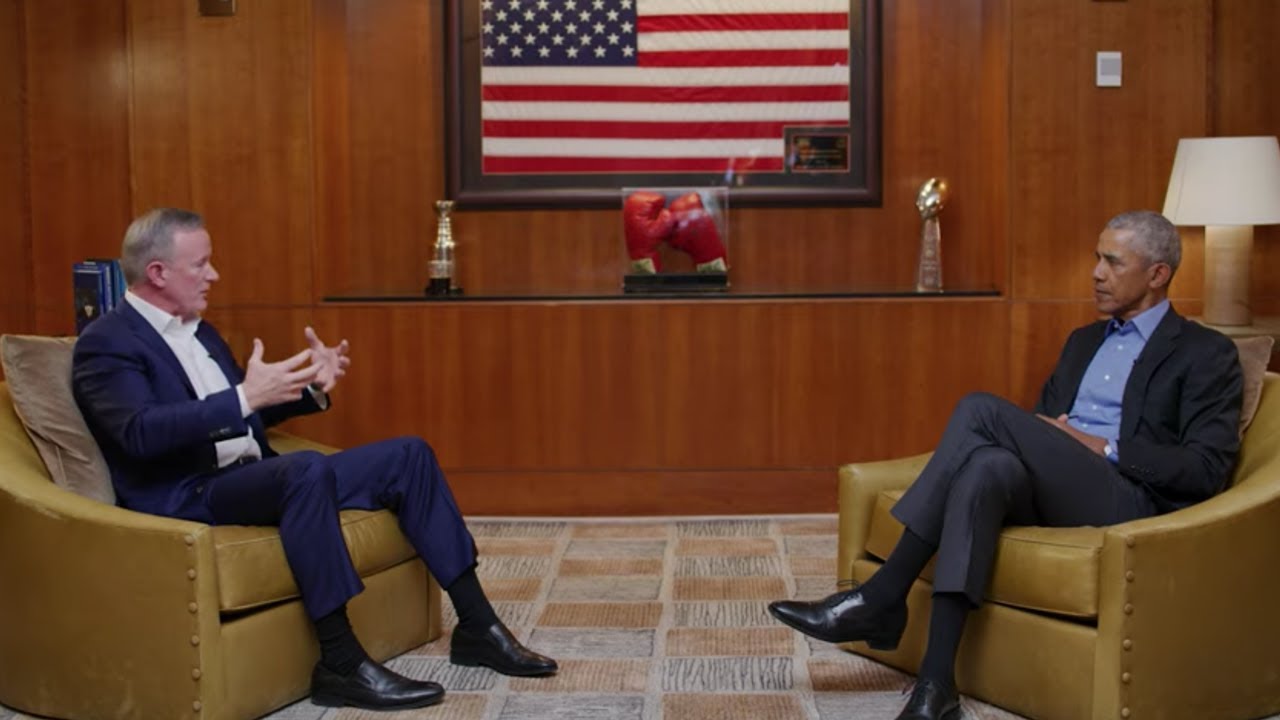
10 Years Later: President Obama and Admiral Bill McRaven reflect on the bin Laden Raid
As a candidate for President in 2007 , then-Senator Obama had pledged to make the hunt for bin Laden a priority, and—in a break with much of the Washington establishment at the time—promised he would not hesitate to act if intelligence showed bin Laden was hiding in Pakistan. Shortly after taking office, he directed the CIA to make finding bin Laden the top priority of America’s war against the al Qaeda terrorist network. Years of painstaking intelligence work and analysis led to a compound in Abbottabad, Pakistan, and after months of planning and deliberations in the Situation Room, President Obama authorized the raid that resulted in the killing of Osama bin Laden, a terrorist leader responsible for the murder of thousands of American men, women, and children.
Today, the details of that raid, and all the uncertainty going in are well known (Opens in a new tab) . President Obama described the decision at the time as a “50/50 proposition.” Despite his confidence in the special operations forces led by Admiral McRaven, the intelligence community was not certain bin Laden was at the compound. There was also the risk that an operation into Pakistan might trigger a crisis—to say nothing of the danger to the SEAL team members themselves.
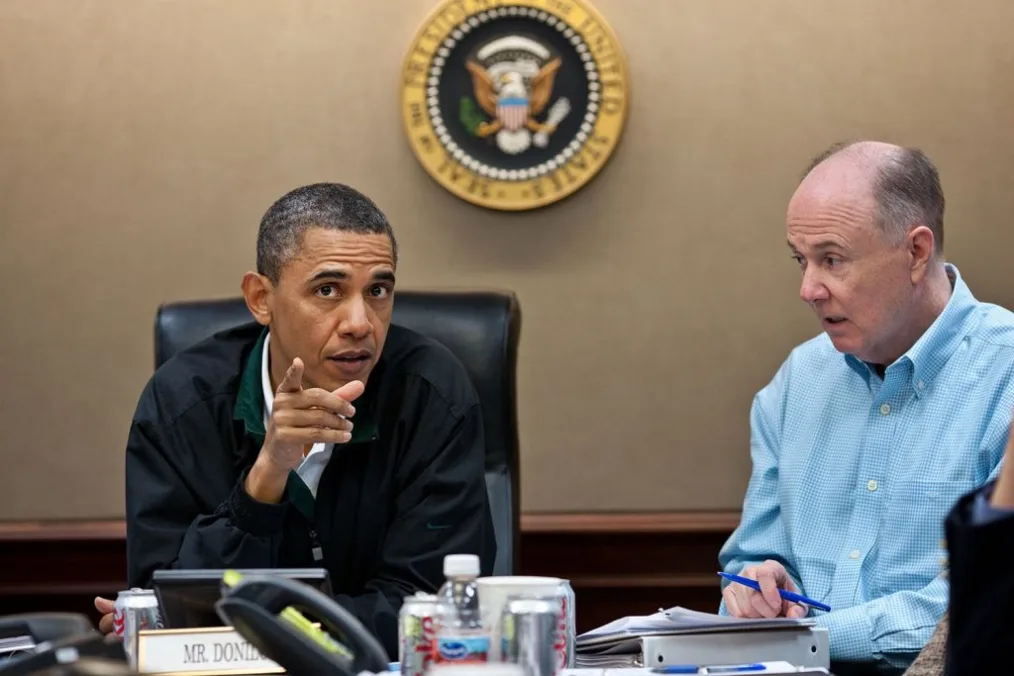
But what struck me about this conversation between Admiral McRaven and the President was how they were impacted by the outpouring of emotion that followed the raid. I remember late in the evening, after the president had announced the operation to the world in the White House East Room (Opens in a new tab) , I walked down the colonnade next to the Rose Garden and could hear chants of “USA!” from crowds that had gathered around the White House, a sense of catharsis after a difficult decade.
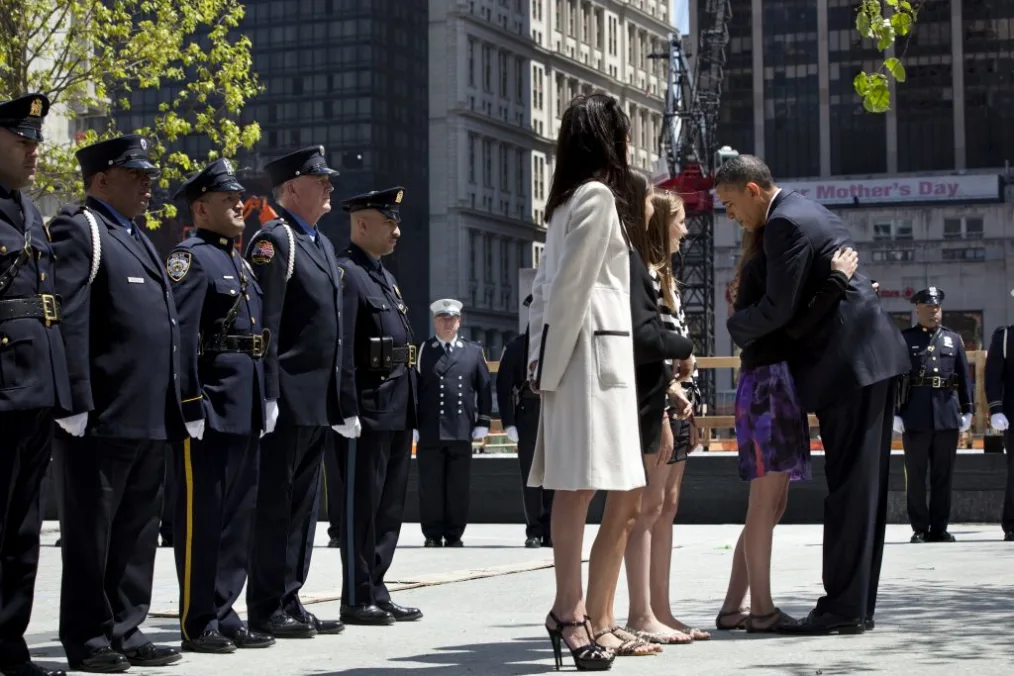
It’s hard to put into words how it felt a few days later to watch President Obama travel to my hometown of New York City, and meet with firefighters, police officers, and the family members of 9/11 victims. Nothing would ever bring back their loved ones, but they appreciated that America had never forgotten their loss, nor abandoned the pursuit of justice.
The final event of that week was a visit to Fort Campbell, Kentucky with Admiral McRaven, where the President presented the SEAL team with a Presidential Unit Citation, and received a briefing from the men who had conducted the raid. They surprised him with a gift: the flag they carried to Abbottabad, signed by the entire team. As the President notes in this conversation, that gift is the most meaningful object he received as president, and today it is the first thing you see when you walk into his office.
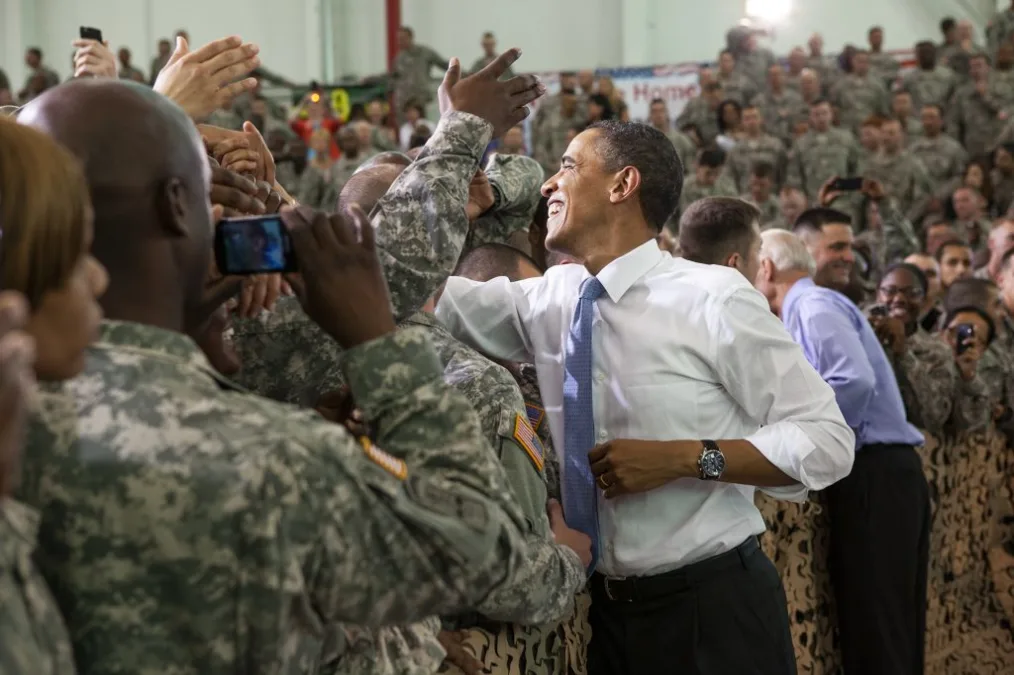
Every day during my eight years in the White House, I saw how seriously President Obama took his role as Commander-in-Chief. He didn’t glorify war, even as he honored the service of those who served in them. Whether it was meeting with a wounded warrior at Walter Reed, comforting a Gold Star family in the Oval Office, or—as Admiral McRaven references—shaking the hands of every service member lined up in an airplane hanger, President Obama recognized that each member of the armed forces had committed to risk everything to defend the United States. The rigorous and sober approach he took to the national security decision making process as president was a reflection of how much he respected that commitment.
The success of this operation isn’t just a part of President Obama’s legacy, it’s a testament to what Americans can do when we work together with a sense of common purpose. And if you ask him what he remembers most from the days leading up to the raid, President Obama speaks of his admiration for the people who made it possible: the thousands of men and women working across government—intelligence professionals, diplomats, national security officials, troops and the special operations team—who did their jobs.
Here at the Obama Foundation, we’re working to train the next generation of leaders. The story of this operation is a demonstration of President Obama’s basic belief in the potential for people to accomplish extraordinary things working together. That’s a story we’ll tell at the Obama Presidential Center , and an example of our capacity to confront the shared challenges of tomorrow.